The Essential Checklist for Planning a DJ Setup That Keeps Every Event Energized
A practical guide to planning DJ sound, lighting, and music for any event size, plus a final checklist to keep your celebration energized from start to finish.
Whether you're throwing an intimate backyard gathering or producing a full-scale wedding reception, the energy of your event lives and dies by the quality of your DJ setup. A great playlist means nothing if the sound cuts out, the lighting feels flat, or the equipment isn't matched to your venue. At Pulse & Party DJ, we've built our reputation on getting these details right every single time — and we want to help you understand exactly what goes into a setup that keeps dance floors packed from the first song to the last.
This checklist breaks down everything you should think about when planning your event's DJ experience, whether you're hiring a professional or trying to understand what questions to ask before you book.
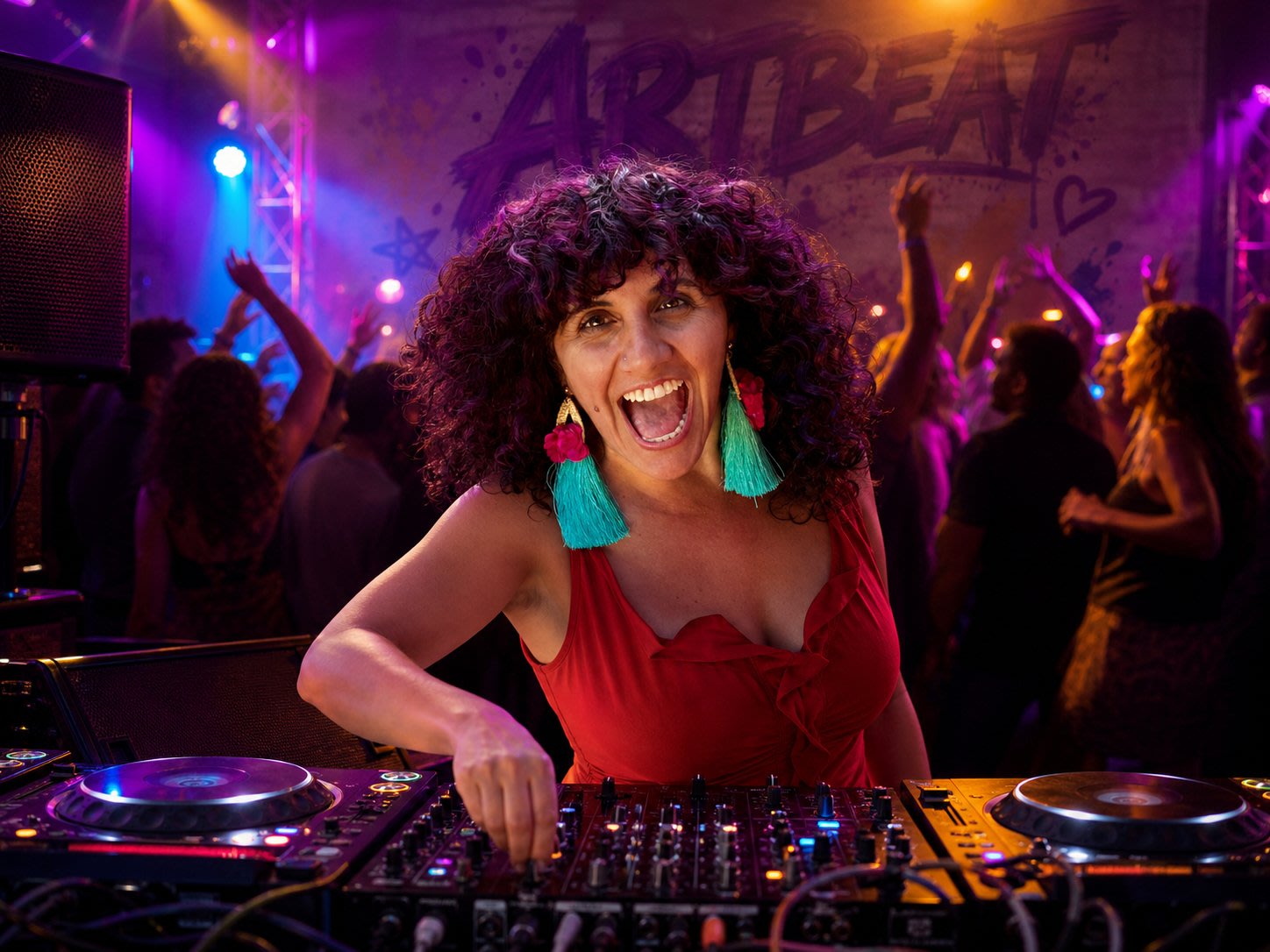
A well-planned DJ setup balances sound, lighting, and space to match the mood of any event.
1. Match Your Sound System to Your Venue Size
One of the most common mistakes event hosts make is underestimating (or overestimating) the sound needs of their space. A setup that works beautifully in a 40-person living room will fall flat in a 300-person banquet hall, and vice versa — too much power in a small room can overwhelm guests and distort conversation.
- Small gatherings (up to 50 guests): Compact speakers with clean, balanced output work best. You want music that fills the room without drowning out conversation.
- Mid-size events (50–150 guests): Look for a dual-speaker setup with a subwoofer to handle bass-heavy tracks during peak dance hours.
- Large productions (150+ guests): This is where line-array systems, multiple subwoofers, and strategically placed monitor speakers come into play to ensure even sound coverage across the entire venue.
A professional DJ will always do a walkthrough of your venue beforehand — checking ceiling height, flooring, and room shape — because acoustics change everything about how sound travels.
Don't Forget Backup Equipment
Technical failures happen, even with the best gear. A reliable setup always includes backup cables, a spare mixer connection, and redundant power sources so that a single blown fuse or faulty cord never brings the party to a halt.
2. Lighting That Sets the Mood (Not Just Fills the Room)
Lighting is often the most overlooked part of event planning, yet it does more to shape the atmosphere than almost anything else. The right lighting can transform a plain hall into an unforgettable space, while poor lighting can make even great music feel lifeless.
- Uplighting: Soft, colored wall lighting that adds depth and warmth to a room, especially effective for weddings and formal events.
- Moving head lights: Great for high-energy parties, adding movement and excitement during peak dance sets.
- Dance floor lighting: Synced to the beat, this keeps energy high and draws guests onto the floor.
- Ambient lighting: Used during dinner or quieter moments to maintain a relaxed, comfortable mood.
The best DJ setups treat lighting as a living part of the performance — adjusting brightness, color, and movement as the event transitions from cocktail hour to dinner to full dance floor mode.
3. Music Variety and Reading the Room
Even the best sound system and lighting rig won't save an event if the music doesn't connect with the crowd. A skilled DJ brings far more than a playlist — they bring the ability to read a room in real time and adjust accordingly.
Building a Flexible Music Library
Every event has a different rhythm. A corporate holiday party calls for a different energy curve than a milestone birthday celebration or a wedding reception. Planning ahead means having:
- A deep library spanning multiple genres and decades
- Guest request flexibility without derailing the night's flow
- The ability to transition smoothly between moods — from dinner background music to high-energy dance sets
Reading Crowd Energy
Great DJs constantly watch the dance floor. If energy dips, they know when to bring in a familiar crowd-pleaser. If the room is packed and moving, they know how to build momentum rather than break it. This instinct — more than any piece of equipment — is what separates a forgettable event from one guests talk about for years.
Reading the crowd and adjusting music in real time keeps the energy alive throughout the night.
4. Final Planning Checklist Before Your Event
Before your big day arrives, run through this quick checklist to make sure everything is in place:
- ✔️ Confirm venue size and layout have been shared with your DJ in advance
- ✔️ Verify power outlet locations and any electrical requirements
- ✔️ Discuss a rough timeline of the event (arrival, dinner, key moments, dance sets)
- ✔️ Share any must-play or do-not-play songs
- ✔️ Confirm setup and breakdown times with your venue
- ✔️ Ask about backup equipment and contingency plans
Planning ahead removes the guesswork and lets your DJ focus on what matters most: keeping your guests engaged, entertained, and on the dance floor.
Bringing It All Together
A truly great DJ setup isn't just about having the right gear — it's about combining the right sound, lighting, and musical instincts into one seamless experience tailored to your event. From intimate gatherings to large-scale productions, the goal is always the same: keep the energy alive from start to finish.
If you're planning an upcoming event and want a setup built specifically around your space and vision, reach out to discuss availability and get answers to all your booking questions. The right preparation today means an unforgettable celebration tomorrow.